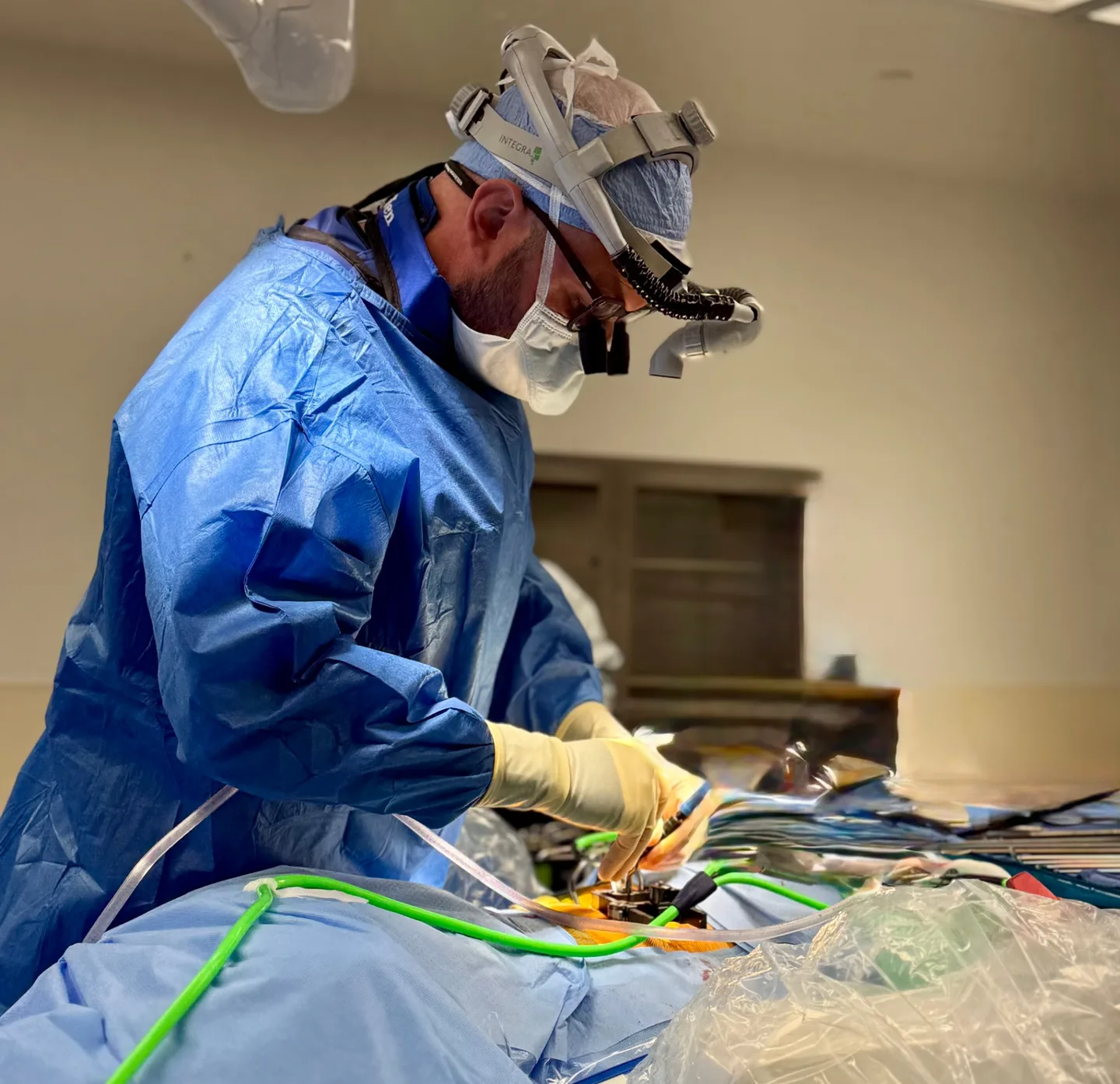
Lumbar Disc Replacement
Treats lumbar disc disease while keeping motion at the treated level, avoiding the adjacent-segment stress that fusion can cause.
Preserving Motion at the Problem Level.
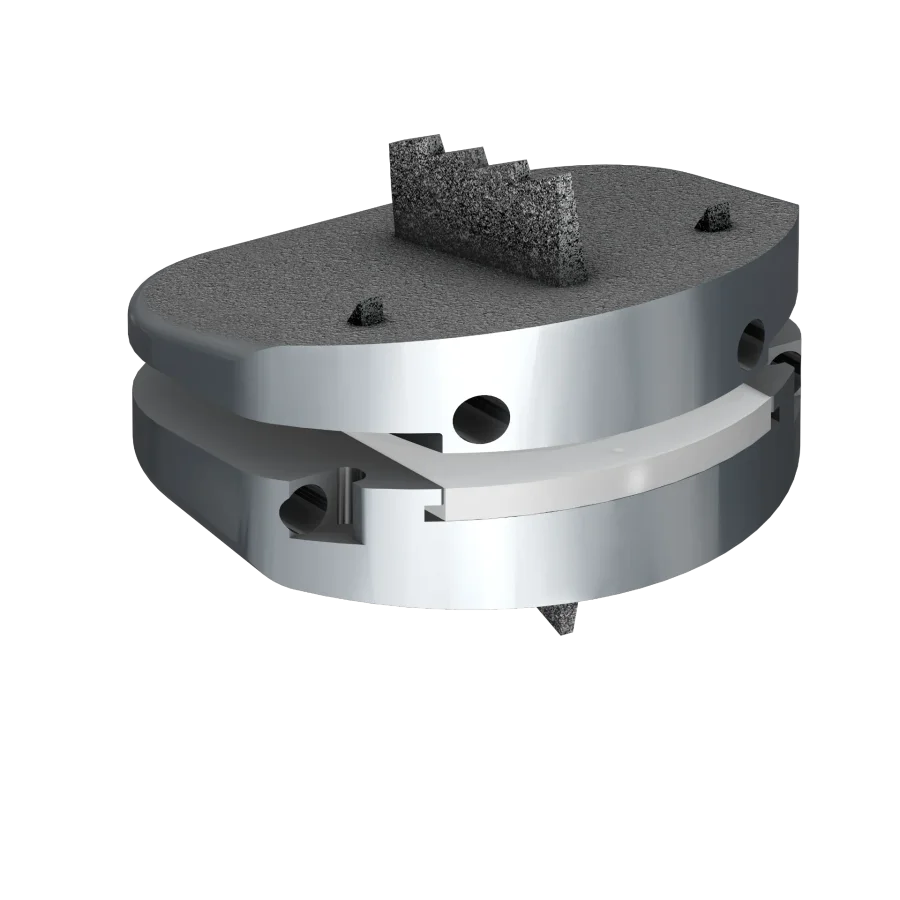
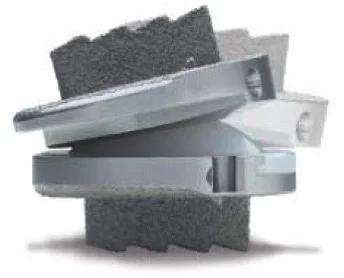
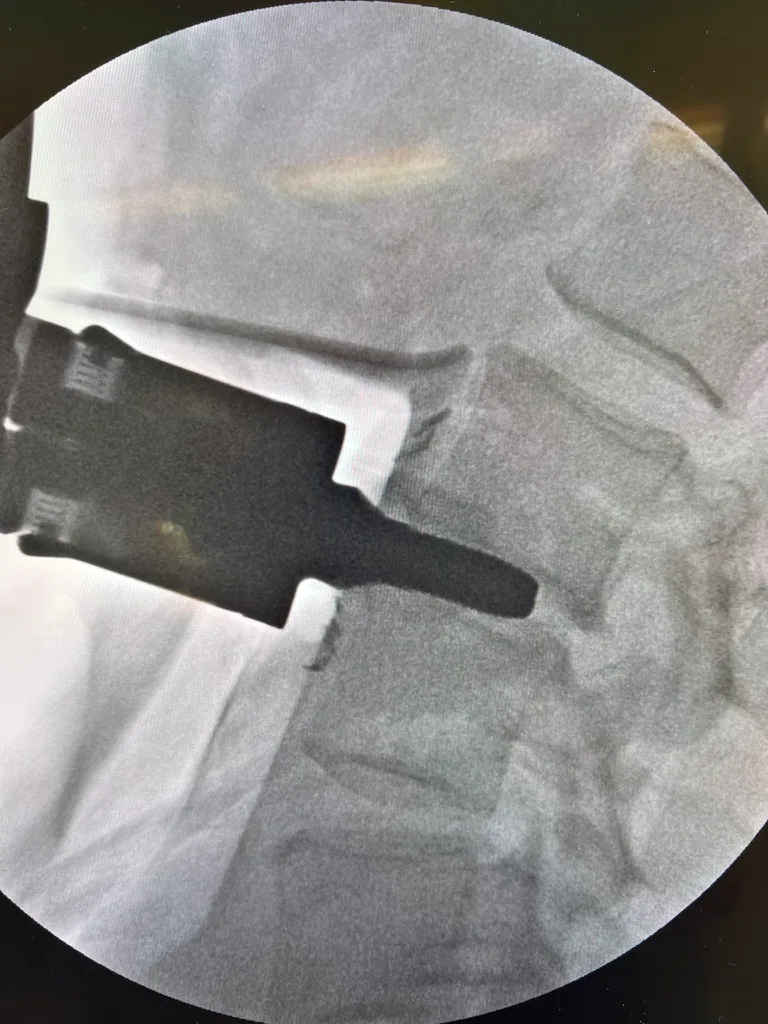
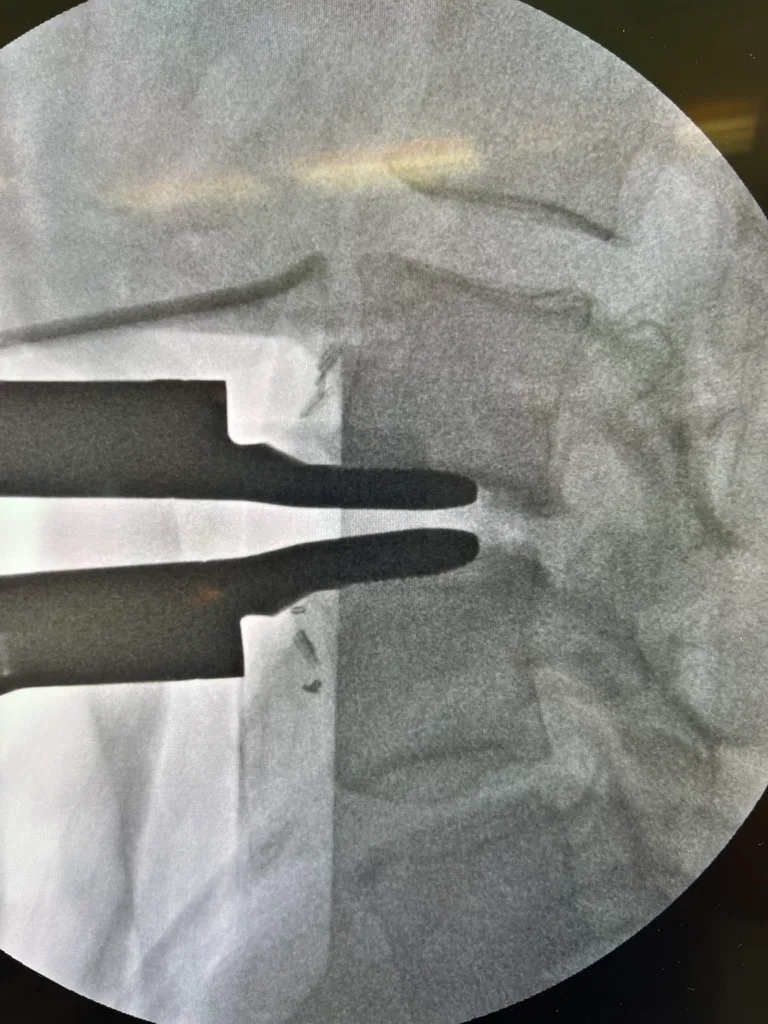
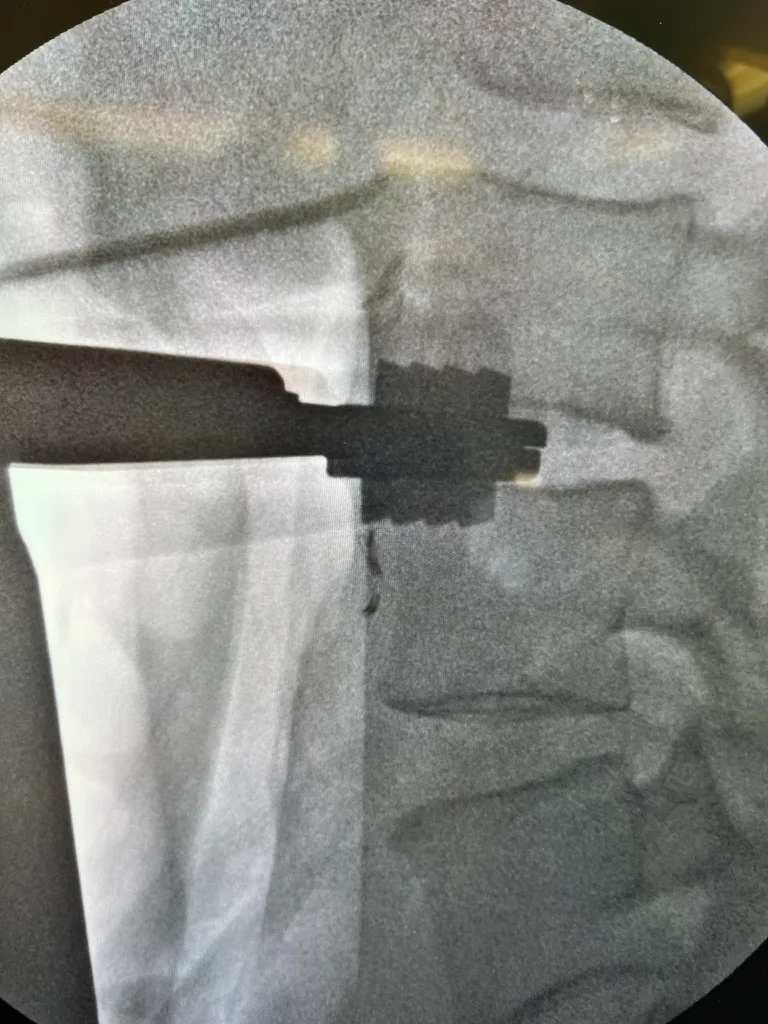
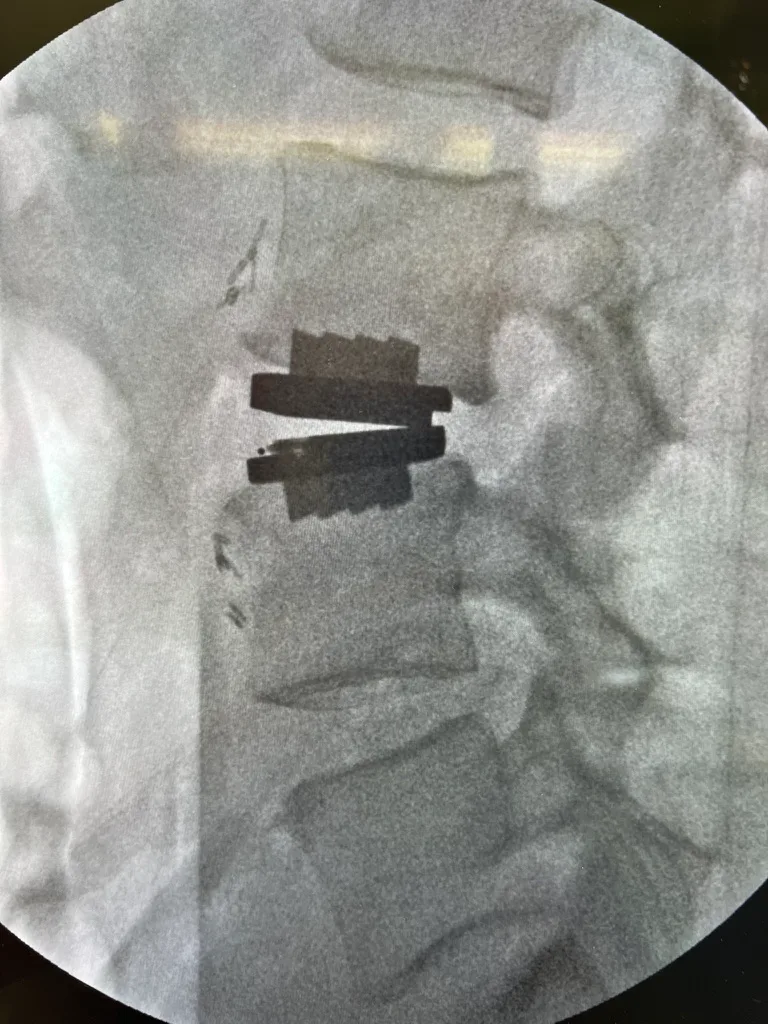
Lumbar fusion is the right answer for many patients. For some, disc replacement is an alternative. It removes the degenerated disc and replaces it with a device that lets the spine keep moving, without shifting extra load to the levels next to it.
Who It May Be Right For.
Lumbar disc replacement is an option for patients with disabling back pain from disc degeneration who have not improved with conservative treatment. Patient selection is the most important factor in outcomes, and Dr. Hirsch reviews imaging and discusses goals in detail before recommending this procedure.
What to Expect.
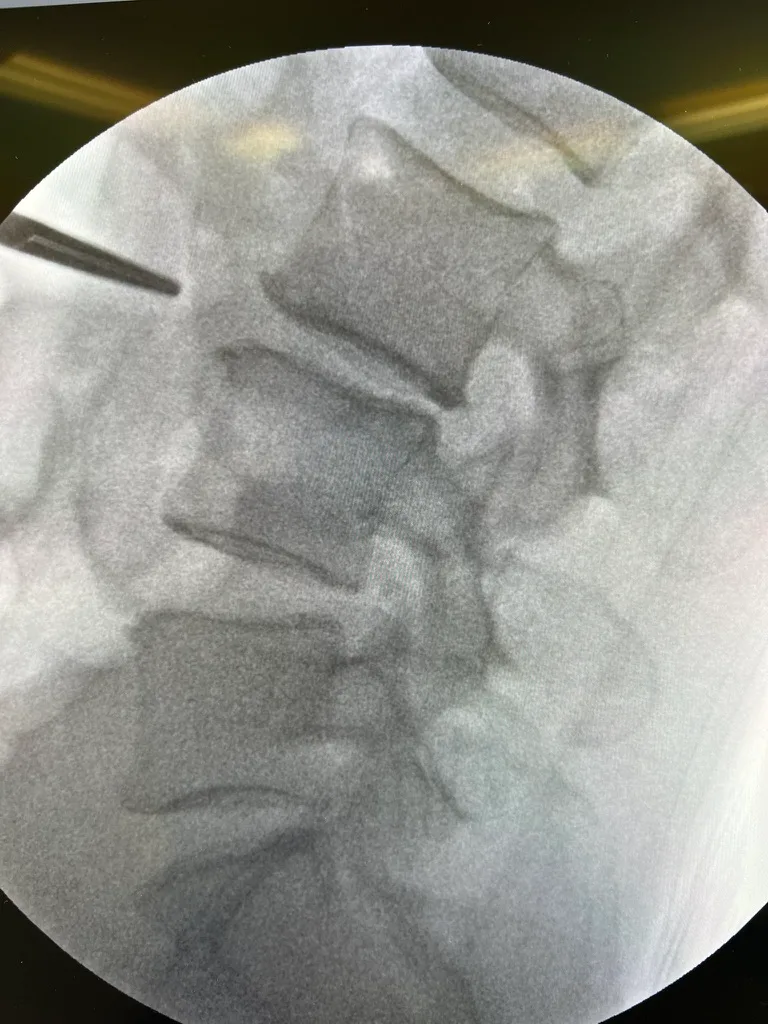
The surgery is performed through an anterior approach, from the front of the abdomen. The recovery timeline is reviewed with you beforehand, based on your procedure and goals.
Dr. Hirsch is board-certified and Yale-trained. Read his full background.