Kyphoplasty
Minimally invasive outpatient stabilization of vertebral compression fractures. Pain relief usually comes within days.
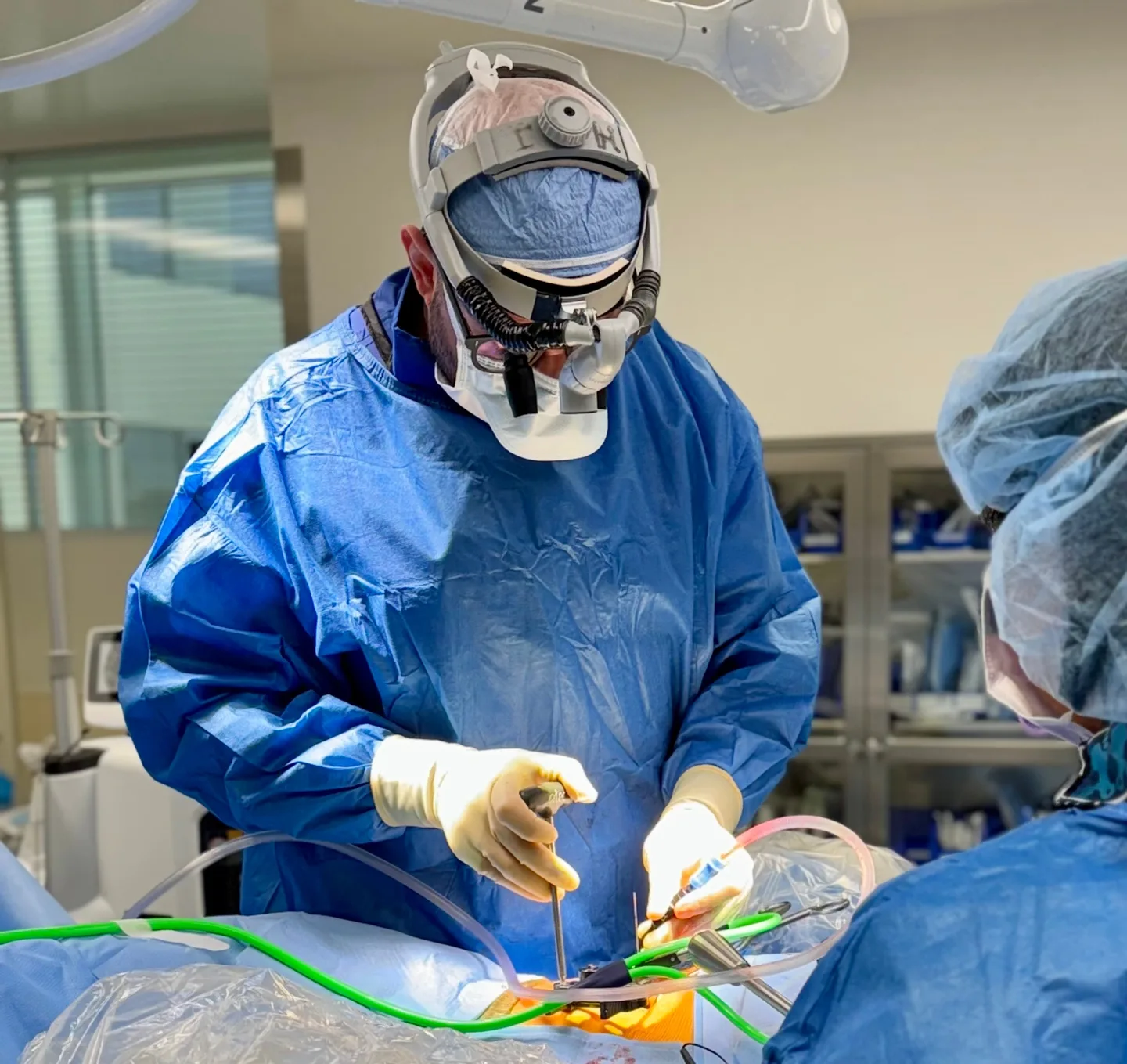
Stabilizing the Fracture. Relieving Pain.
A vertebral compression fracture happens when a bone in the spine collapses. It can cause sudden, severe back pain that limits standing, walking, and sleep. Many patients manage with rest and pain medication for weeks without knowing a faster option exists.
Kyphoplasty treats the fractured vertebra directly. A narrow instrument passes into the collapsed bone through a small opening in the skin. A balloon is inflated to create a cavity and partially restore the lost height. Bone cement then fills the cavity and hardens within minutes, stabilizing the fracture. The procedure is image-guided and in many cases performed under light sedation and local anesthesia. Most go home the same day.
What Causes a Compression Fracture.
Most vertebral compression fractures are caused by osteoporosis, where weakened bone gives way under everyday load. Others follow a fall or injury. A smaller number are related to tumors that weaken the vertebra. Imaging confirms the fracture and helps determine whether it is recent enough to treat with kyphoplasty.
Who It May Be Right For.
Kyphoplasty is considered for patients with a painful compression fracture confirmed on imaging who have not improved with conservative care. Timing matters. The procedure works best on fractures that have not healed, which an MRI can help identify. Dr. Hirsch confirms candidacy by reviewing your imaging and history at your consultation.
Kyphoplasty and Vertebroplasty.
Vertebroplasty is a related procedure. It injects bone cement into the fractured vertebra without a balloon. Kyphoplasty adds a balloon step that creates a cavity and can partially restore vertebral height before the cement is placed. Both are established treatments for painful compression fractures. Dr. Hirsch discusses which approach fits your fracture during consultation. Read the full comparison of Kyphoplasty vs. Vertebroplasty.
What to Expect.
Kyphoplasty is an outpatient procedure. Most patients feel much less pain within a few days. There is no large incision to heal, and activity usually returns quickly. The underlying bone condition still needs attention, so osteoporosis evaluation and treatment are coordinated with your other physicians so the next fracture is less likely.
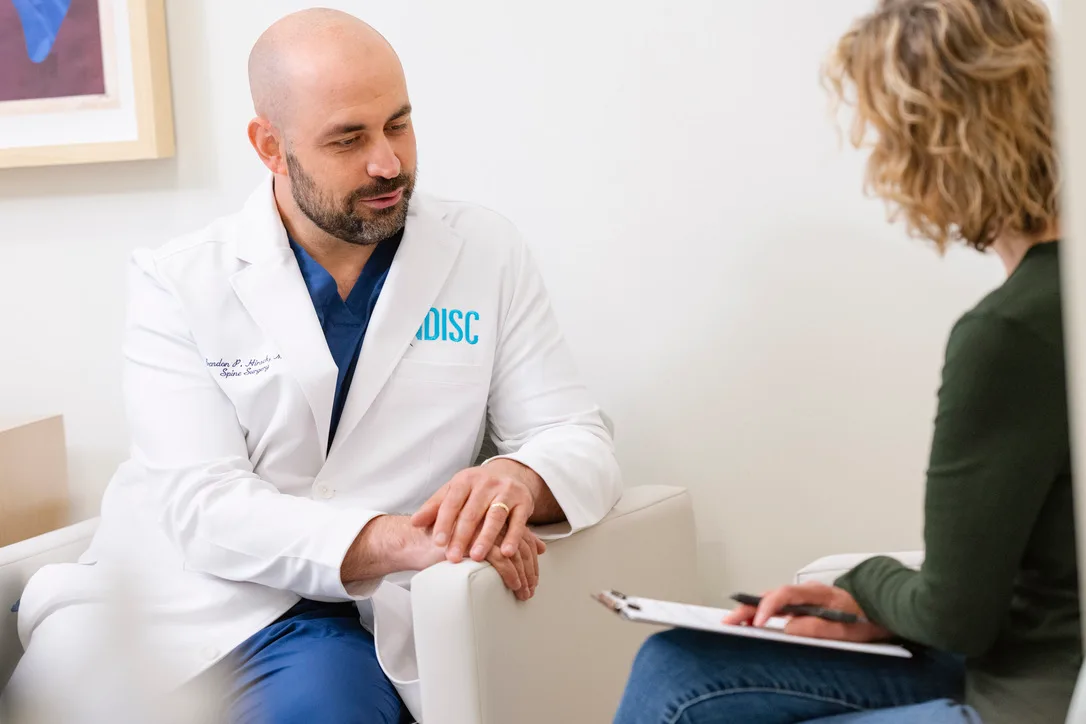
Dr. Hirsch is board-certified and Yale-trained. Read his full background.