About Dr. Hirsch
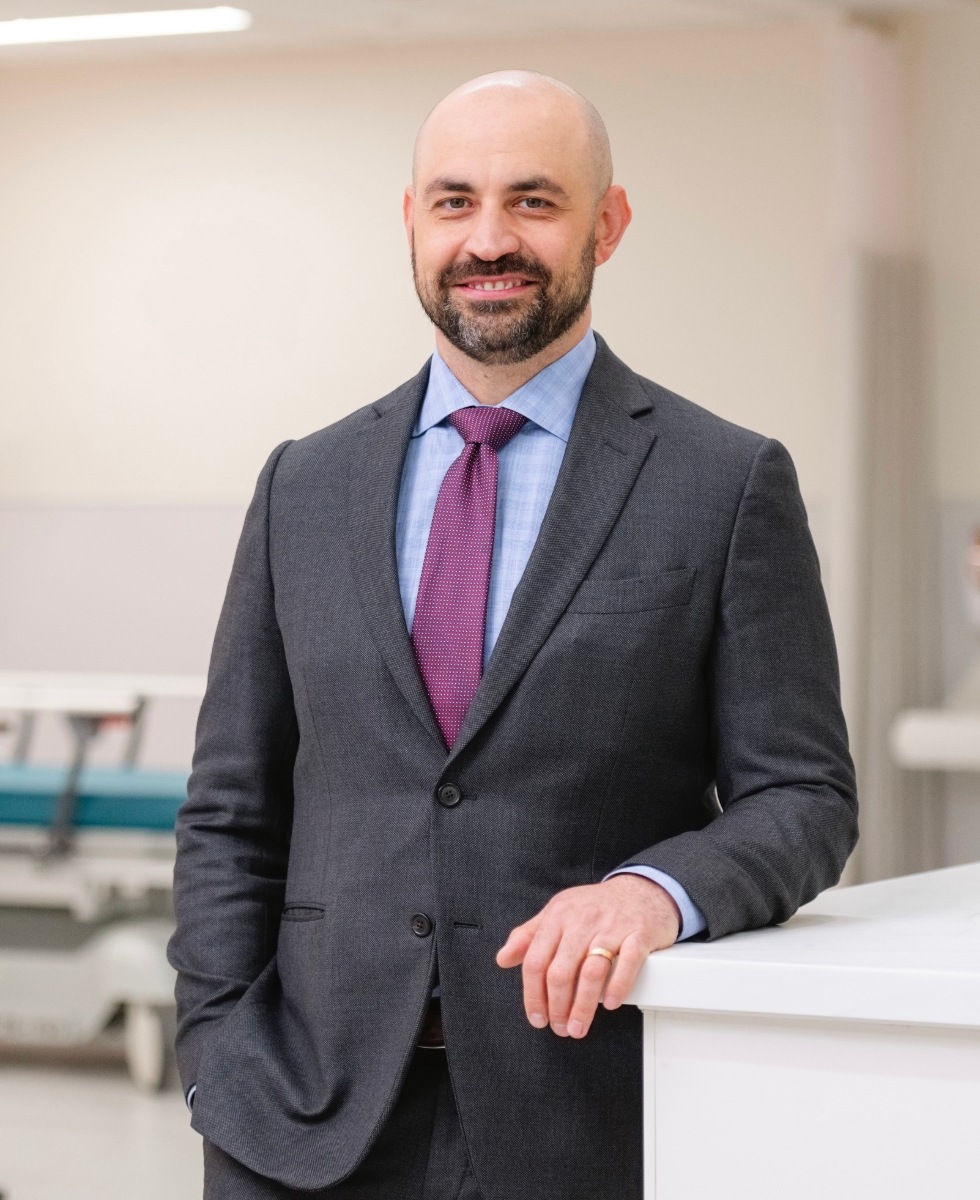
Brandon P. Hirsch, MD, FAAOS is an orthopedic spine surgeon specializing in endoscopic and minimally invasive treatment of the spine. He focuses on the least invasive solution that reliably solves the problem, preserving motion whenever a patient's anatomy allows. His practice covers complex degenerative conditions of the cervical, thoracic, and lumbar spine.
He earned his undergraduate degree at Emory University, graduating summa cum laude, and his medical degree at Yale School of Medicine, where he received the Farr Scholar Award for Excellence in Research. He completed his orthopedic surgery residency at the University of Miami, then trained for two additional years in fellowship. At the NYU Hospital for Joint Diseases in New York, he trained in complex spinal reconstruction, treating patients with severe spinal deformities who often required revision surgery after multiple prior procedures. At Rush University in Chicago, he trained at the Minimally Invasive Spine Institute, learning minimally invasive techniques directly from pioneers in outpatient spine surgery. He also completed a visiting fellowship in South Korea, the international center of endoscopic spine surgery. He is board certified by the American Board of Orthopaedic Surgery and a Fellow of the American Academy of Orthopaedic Surgeons.
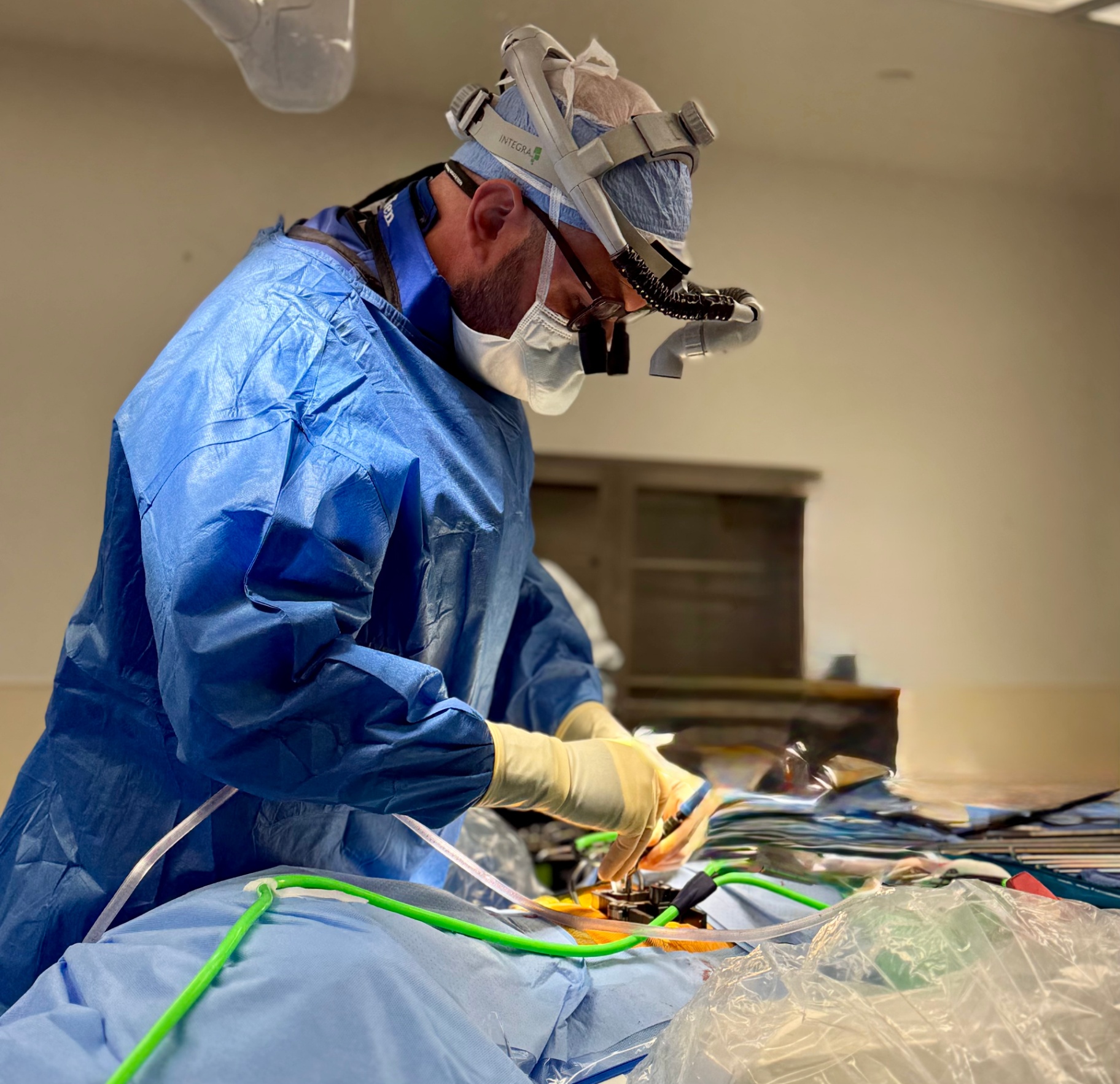



Most spine problems can be treated without surgery, and when a patient's symptoms don't respond to non-surgical care, I recommend the least invasive operation that I expect to reliably fix the problem.
I spend the time needed for each patient to understand what the problem is, why I am recommending a particular treatment, and what to expect afterward. When surgery is needed, it often means taking pressure off one or two nerves in the back. These operations are done through tiny incisions, and many patients go home the same day. When a patient's anatomy allows it, I prefer a motion-preserving operation such as disc replacement over fusion, because the discs next to a fusion take on more stress and tend to wear out sooner. I reserve fusion for instability, deformity, or severe arthritis in the facet joints, where a motion-preserving operation would not address the source of the pain.
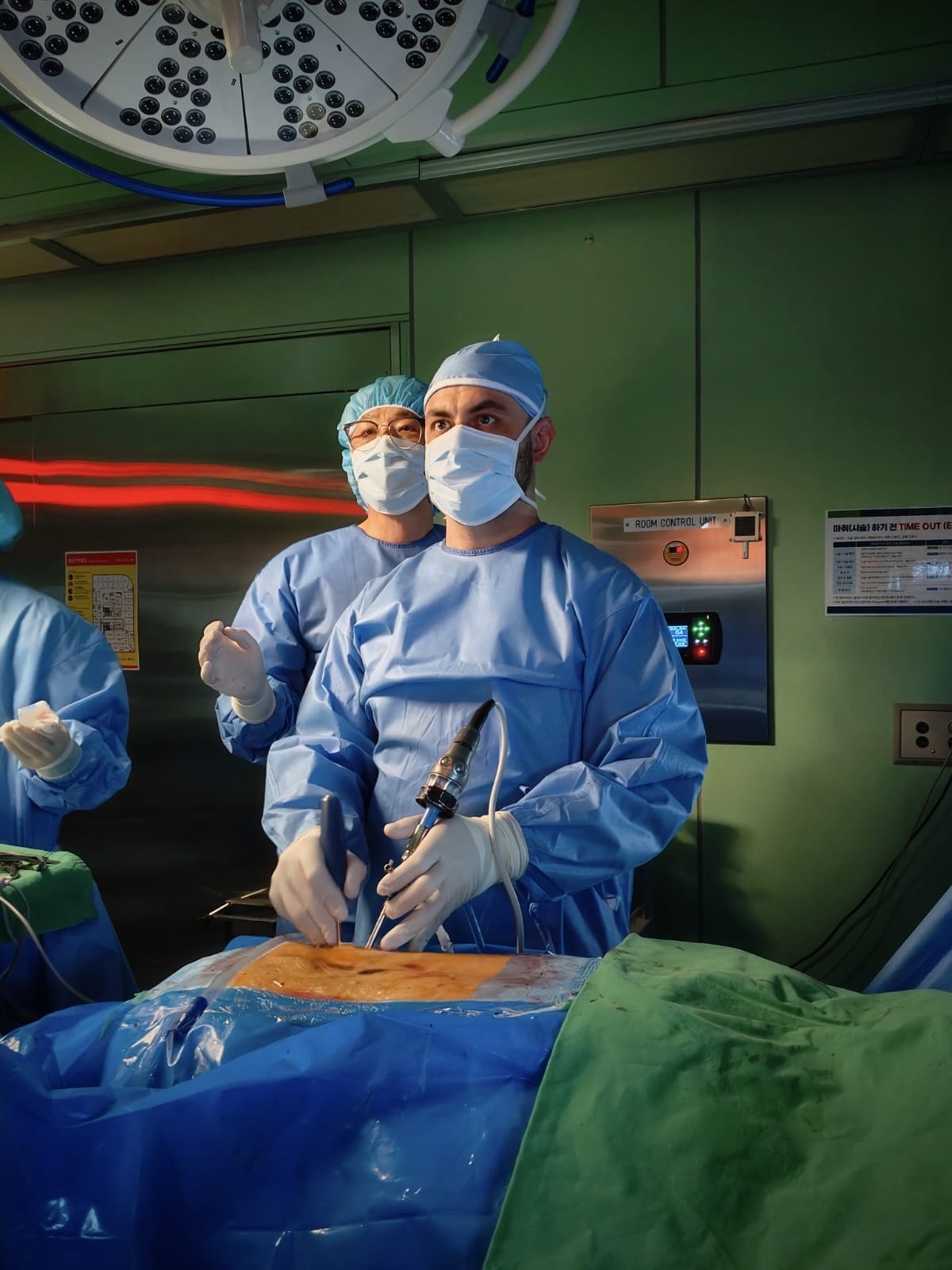
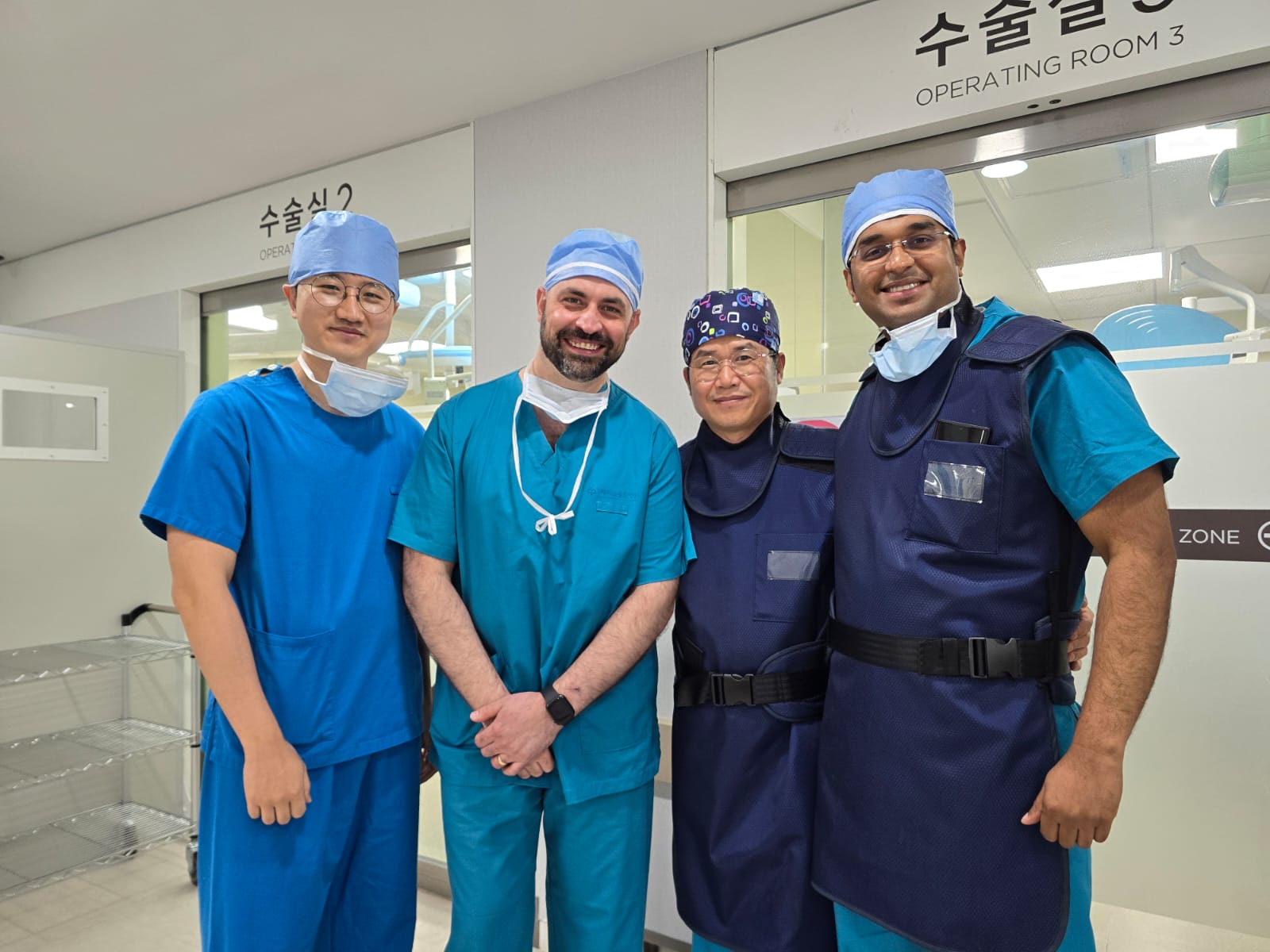
Training with the pioneers of endoscopic spine surgery.
South Korea is the international center of full-endoscopic spine surgery. Both the uniportal and biportal techniques were developed and refined there, and Korean surgeons continue to perform endoscopic cases at a volume seen almost nowhere else in the world.
Over ten days, Dr. Hirsch trained directly with these surgeons, observing high-volume cervical, thoracic, and lumbar endoscopic procedures at leading Korean spine centers, including Wooridul Spine Hospital and the Harrison Spinartus endoscopic spine program. The refinements he brought back inform his endoscopic practice in Orange County today.
One of a small number of US spine surgeons to complete this visiting fellowship.